
✦ MELASMA & PIH TREATMENT MADISON, WI
Fade Stubborn Pigment With Expert Care.
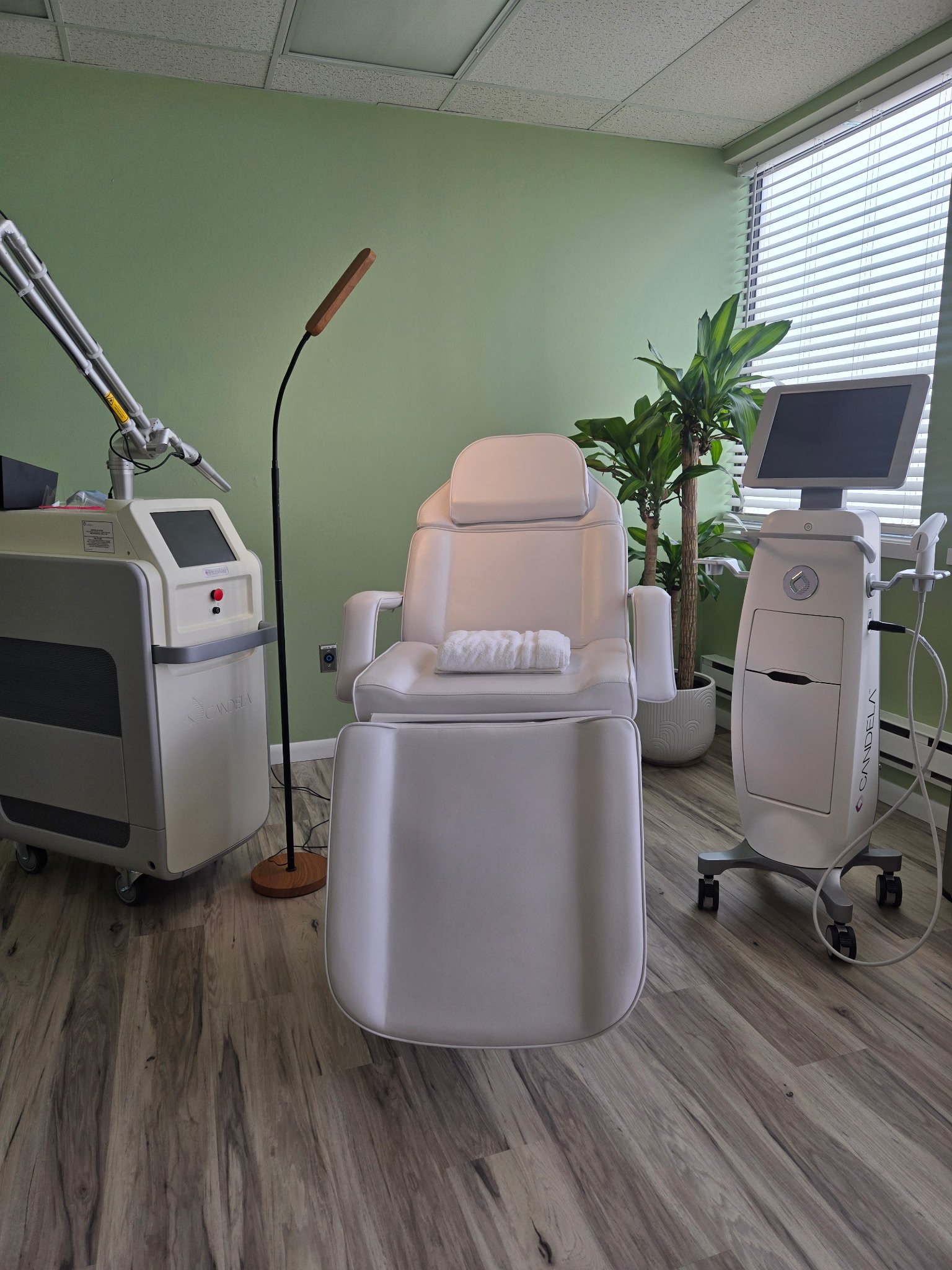
Melasma and post-inflammatory hyperpigmentation (PIH) are two of the most frustrating — and most misunderstood — pigment concerns. At Royal You Med Spa, our physician-led team uses the advanced Candela PicoWay® picosecond laser to gently fade discoloration, with a personalized plan built around your skin tone, triggers, and goals.
What Is Melasma?
Melasma is a chronic pigment condition that causes symmetrical brown or gray-brown patches, most often on the cheeks, forehead, bridge of the nose, upper lip, and chin. It happens when pigment cells become overactive in response to a mix of triggers:
- Hormones — pregnancy (often called “the mask of pregnancy”), birth control, and hormone therapy
- Sun and visible light — including heat and light through windows and screens
- Genetics — melasma often runs in families
- Skin tone — more common in medium to deeper skin tones, including Latina, Asian, and Middle Eastern skin
Melasma is far more common in women and often appears between the 20s and 40s. Because its triggers don’t simply go away, melasma is best thought of as manageable rather than curable — the goal is to fade it and keep it under control with gentle, consistent care.
What Is Post-Inflammatory Hyperpigmentation (PIH)?
Post-inflammatory hyperpigmentation (PIH) is the darkening left behind after the skin is inflamed or injured. As the skin heals, pigment cells produce extra melanin — leaving flat brown, tan, or purplish marks. Common causes include:
- Acne breakouts — the dark marks that linger long after a pimple heals
- Eczema, rashes, and bug bites
- Cuts, burns, and picking at the skin
- Overly aggressive treatments — harsh peels, waxing irritation, or high-heat lasers
PIH can affect any skin tone, but it tends to be more common and longer-lasting in deeper skin tones. Unlike melasma, PIH often fades on its own over many months — professional treatment helps it clear faster and more evenly. Because PIH is so often caused by breakouts, we may pair your plan with acne treatment to help prevent new marks.
How Melasma & PIH Differ From Sun Damage
Sun spots (also called solar lentigines or age spots) are caused by years of UV exposure and usually show up as distinct, well-defined spots. Melasma and PIH behave very differently — and treating them like ordinary sun damage with aggressive, high-heat lasers can actually make them darker. That’s why an accurate diagnosis always comes first.
| Sun Spots | Melasma | PIH | |
|---|---|---|---|
| Cause | Years of cumulative UV exposure | Hormones, sun/visible light, and genetics | Inflammation or injury to the skin |
| Appearance | Distinct, well-defined spots | Symmetrical, blotchy patches | Flat marks where skin was inflamed |
| Common areas | Face, hands, chest, shoulders | Cheeks, forehead, nose, upper lip | Anywhere — often old acne areas |
| Treatment approach | Targeted, higher-energy laser | Gentle, low-heat, ongoing care | Gentle treatment plus preventing triggers |
| Will it come back? | New spots can form with sun exposure | Commonly recurs — maintenance is key | Fades; new marks form with new inflammation |
Have classic sun spots or age spots? Visit our Sun Spot & Hyperpigmentation Treatment page.
How We Treat Melasma & PIH
Pigment conditions call for a gentle hand. We use the Candela PicoWay® laser at conservative, low-energy settings — paired with daily sun protection and consistent at-home care — to fade discoloration without triggering a rebound.
Why PicoWay® for Melasma & PIH
- Ultra-short picosecond pulses break up pigment with minimal heat — key for melasma, where heat can trigger a rebound
- Low-energy treatments gradually lighten patches over a series of sessions
- Suitable for a wide range of skin tones with carefully selected settings
- Little to no downtime
Protecting Your Results
- Daily broad-spectrum sunscreen — a tinted mineral SPF also helps block visible light
- Avoiding excess heat and picking at the skin between sessions
- Gentle, consistent at-home skincare
- Periodic maintenance sessions, since melasma tends to recur
What to Expect During Your Appointment
Treatments are quick and comfortable, and most clients return to normal activity the same day.
Step 1 – Consultation
We examine your pigment, confirm whether it’s melasma, PIH, sun damage, or a mix, and review your triggers, skincare, and history to build a personalized plan.
Step 2 – Treatment
PicoWay® sessions typically take 15–30 minutes. Ultra-short picosecond pulses target pigment at gentle, low-energy settings, and most clients describe a mild snapping or warm sensation.
Step 3 – Recovery
Mild redness typically resolves within a day or two. Daily broad-spectrum sunscreen (a tinted mineral SPF is ideal) and gentle skincare between sessions protect your results.
How Many Sessions Will I Need?
Pigment fades gradually. Many clients see visible improvement after 3–6 sessions spaced about 3–4 weeks apart, though every plan is different.
Factors that influence treatment count:
- Whether you have melasma, PIH, or both
- How deep the pigment sits in the skin
- Your skin tone and how long the pigment has been present
- Hormonal factors and daily sun exposure
Because melasma tends to recur, we’ll also recommend a maintenance plan — typically periodic touch-up sessions and consistent at-home care. Ask about package savings at your free consultation.
Why Choose Royal You Med Spa?
- Physician-owned and medically led — Dr. Emilia Ruiz, MD oversees every treatment
- Accurate diagnosis first — we identify melasma, PIH, or sun damage before choosing a treatment
- Candela PicoWay® laser — advanced, low-heat picosecond technology for pigment-prone skin
- Experienced with all skin tones — including the medium and deeper skin tones most affected by melasma and PIH
- Bilingual care — Se Habla Español
- Serving Madison, Middleton, Fitchburg, Verona, and all of Dane County
FAQs
Can melasma be cured permanently?
There’s no permanent cure for melasma because its triggers — hormones, light, and genetics — remain. The good news is that it can be significantly faded and kept under control with the right treatment plan, daily sun protection, and periodic maintenance.
Will laser treatment make my melasma worse?
Aggressive, high-heat lasers can cause melasma to rebound darker. That’s why we use conservative, low-energy settings with the PicoWay® picosecond laser, which relies on ultra-short pulses rather than heat. Proper skin prep and sun protection further reduce the risk.
How do I know if I have melasma, PIH, or sun spots?
They can look similar, and many people have more than one. Melasma usually appears as symmetrical patches on the cheeks, forehead, or upper lip; PIH shows up where skin was previously inflamed, such as old acne spots; sun spots are distinct, well-defined spots. We’ll evaluate your skin at your free consultation.
Is treatment safe for darker skin tones?
Yes. PicoWay® can be used on a wide range of skin tones when settings are carefully selected, because its ultra-short pulses rely on minimal heat. Deeper skin tones are more prone to melasma and PIH, so our team takes extra care to customize your treatment.
Can I get treatment while pregnant or breastfeeding?
We generally recommend waiting until after pregnancy and breastfeeding for laser treatments. Melasma that appears during pregnancy sometimes fades on its own afterward. In the meantime, diligent mineral sunscreen use helps — and we’re happy to plan treatment for when you’re ready.
Is there downtime?
Most clients return to normal activities the same day. After PicoWay®, you may have mild redness that typically resolves within a day or two. Avoiding sun exposure and wearing SPF daily between sessions is essential.
Ready for Clearer, More Even Skin?
Whether you’re dealing with melasma, lingering acne marks, or discoloration you can’t quite identify — we’re here to help. Schedule your free melasma and PIH consultation at Royal You Med Spa today.